
Robotic welding systems and automation
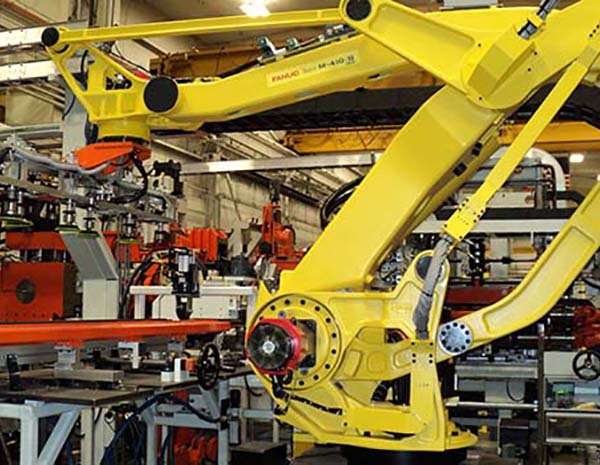
Robotic system integration for resistance welding and arc welding, plus robots for parts handling and product transfer. Engineers and technicians are trained on all major brands of robots.
- About 600/hr
- Passenger car rims on a robotic line
- 300 to 400/hr
- Truck rims, depending on size
Custom to the application
Each system is designed, engineered and built for the job. The team includes mechanical, electrical and hydraulic engineers who specialize in machine and process automation.
A working example
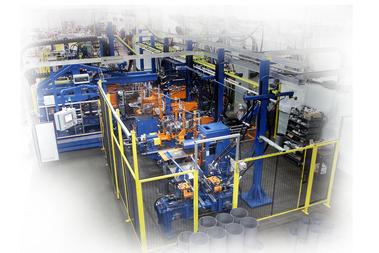
In a wheel rim line, automation takes a flat piece of steel or aluminum, cuts it, and handles it all the way through to the finished rim.
Service that knows robots
Service technicians have the same robot training as the engineers, so they can troubleshoot in the field or from the plant.
Robots that weld and handle
What robotic welding means here
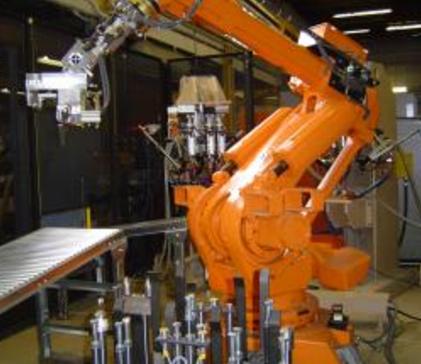
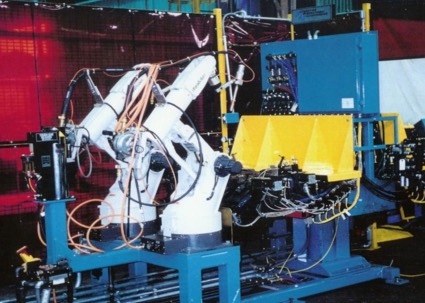
Robotic welding uses programmable robots to automate the whole process: the robot performs the weld and handles the part.
It is most common for resistance spot welding and arc welding in high production work such as automotive. Manufacturers use it to raise accuracy, repeatability and throughput.
Common questions
Which robot brands do you integrate?
Engineers and technicians are schooled and trained on all major brands of robots.
Can robots be added to an existing line?
Yes. Systems can use dedicated automation or robotic automation, and legacy equipment can be retrofitted.
What output can a robotic rim line reach?
On average about 600 rims per hour for passenger car rims, and 300 to 400 per hour for truck rims depending on size.
Get a quote: Robotics and automation
Prefer to talk? Call (217) 446-9500, 7:30 a.m. to 4:30 p.m. CST.
- What you need: a new machine, a rebuild, service or parts.
- The part and process: material, size and production rate.
- For parts: the machine's description, model number and serial number. Photos help.